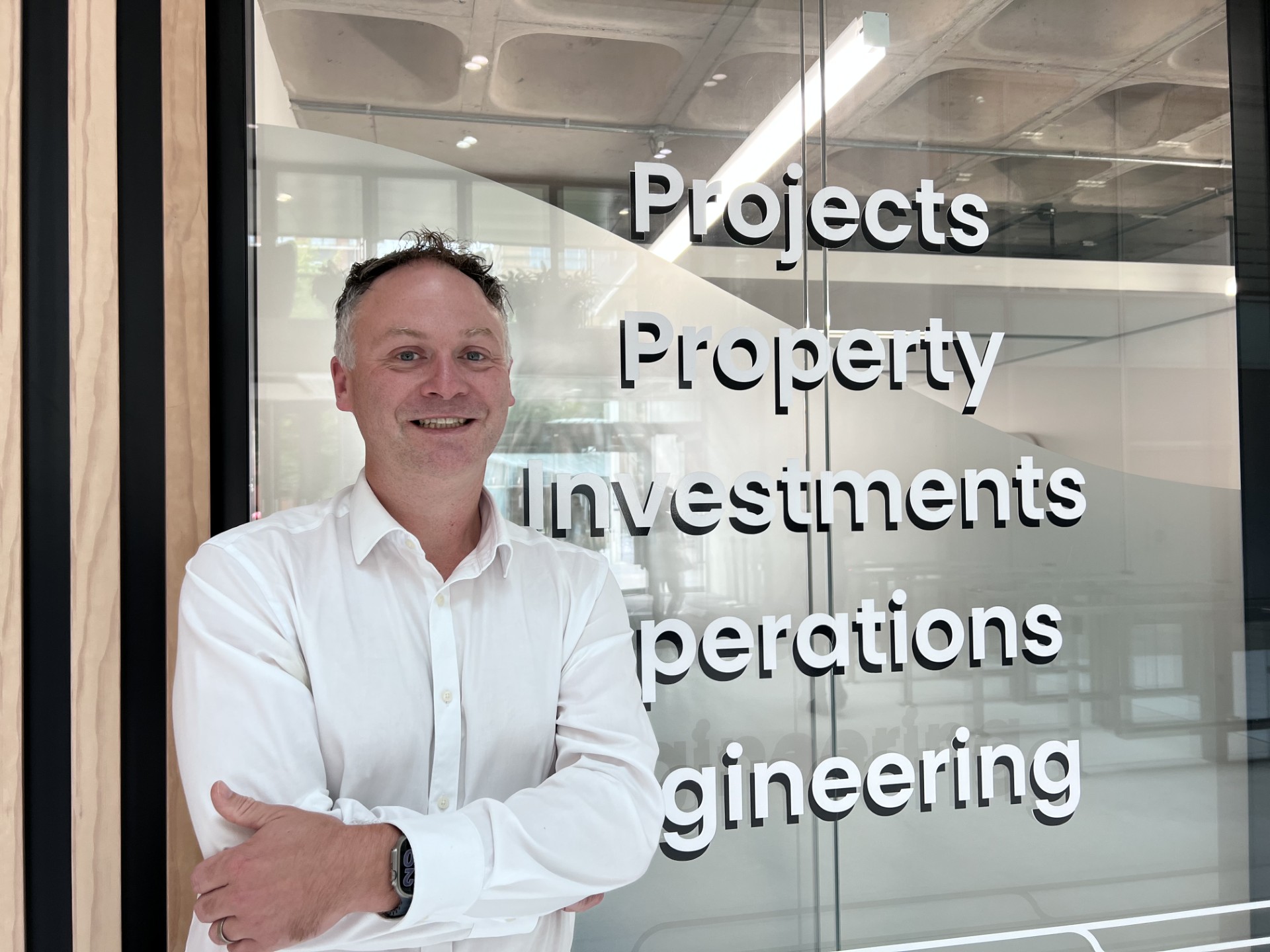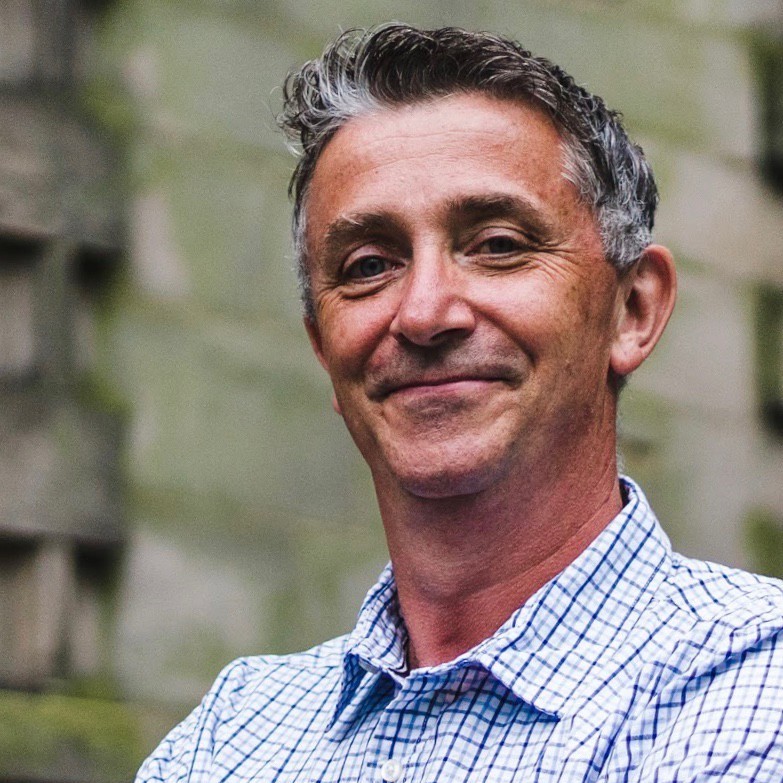




SLC’s Human-Centered Design Lead and Senior Project Engineer, John Donaghy, will present a new approach to building more inclusive and resilient transport infrastructure at the inaugural Institution of Civil Engineers (ICE) Resilient Transport Conference in Manchester this September.
John will present ‘Care by Design: Building Resilience Through Human-Centric Infrastructure’, an academic paper that sets out a pioneering framework for extending established safety-by-design principles to inclusion, accessibility and wellbeing.
The presentation comes as transport networks face growing pressures from ageing infrastructure, climate change, constrained budgets and changing passenger and freight demand. The ICE Resilient Transport Conference will bring together industry experts to explore practical responses to these challenges.
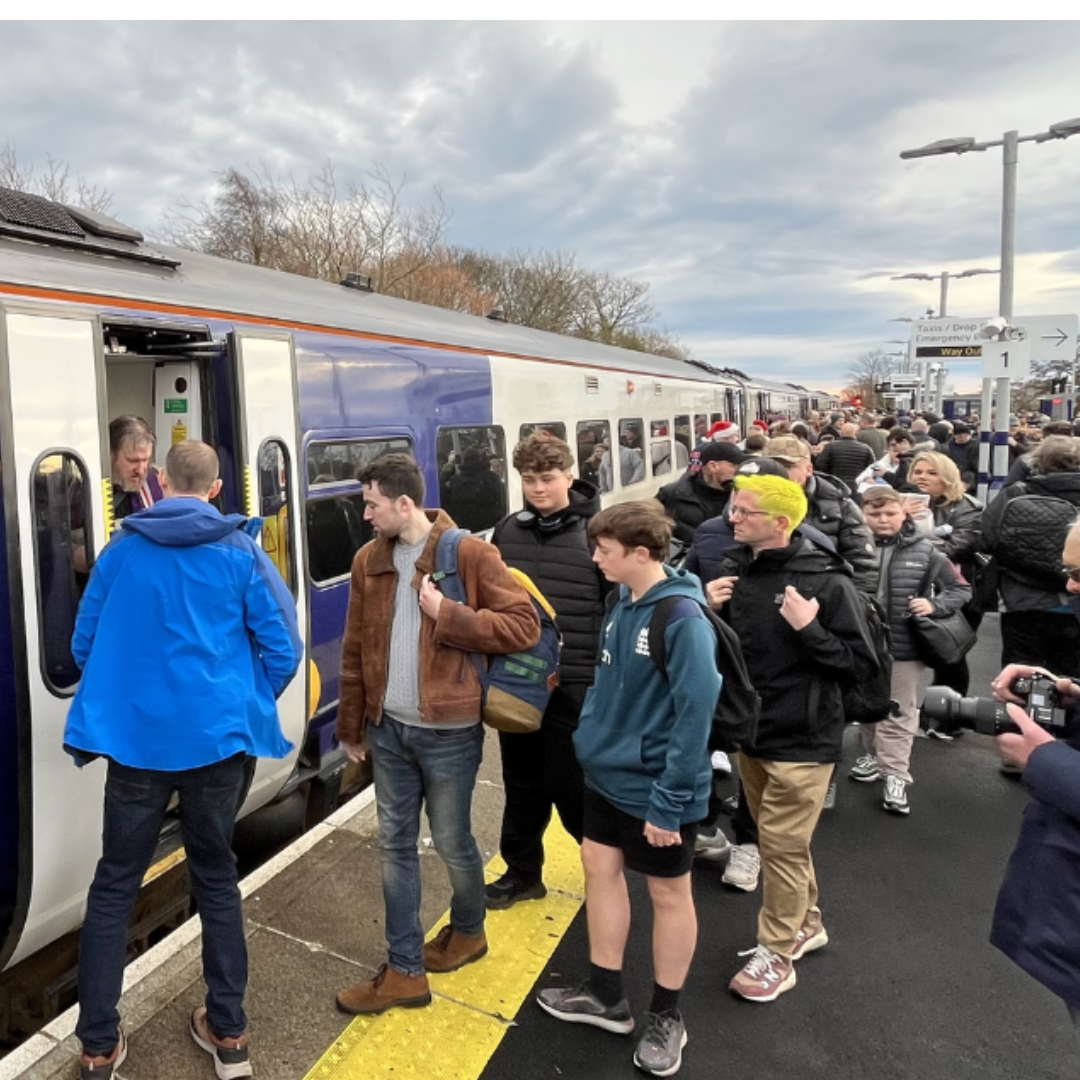
John’s paper argues that resilience must also consider whether transport infrastructure works for the diversity of people and communities it is intended to serve. ‘Care by Design’ takes inspiration from the transport sector’s established safety culture. Just as safety risks are considered early, shared across disciplines and continually challenged throughout project delivery, the framework proposes that exclusion and accessibility should be addressed in the same systematic way.
The approach gives project teams practical ways to recognise unconscious bias, challenge assumptions, consider different user journeys and bring a wider range of perspectives into infrastructure decisions.
John explains: “We often talk about resilience in terms of whether physical infrastructure can withstand disruption, recover and adapt. But resilient transport also needs to work for the people who depend on it.
“Care by Design grew from asking how we can apply something engineering already understands extremely well – safety culture – to inclusion and accessibility. We’re already applying Care by Design across a number of our projects, giving teams practical tools to challenge assumptions and consider a wider range of people and experiences when making decisions.
“If we recognise risks early, challenge our assumptions and understand who might experience the consequences of our decisions, we can make better choices throughout project delivery. Technical excellence and human outcomes shouldn’t be competing definitions of good engineering. Delivering both is what resilient infrastructure should mean.”
A chartered civil engineer with more than 13 years’ experience, John has delivered railway stations, transport interchanges and line-of-route projects from feasibility through to detailed design. His work increasingly focuses on the relationship between engineering, people and place, and on how inclusive design can help infrastructure adapt to changing users and needs.
The thinking behind Care by Design has developed through John’s project experience and SLC’s work with colleagues, clients and stakeholders. It also builds on SLC and Community Rail Network’s ‘Stations in the Community’ paper, which explored the wider role stations can play within the places they serve.
The framework reframes infrastructure as part of a wider living system, recognising that barriers can intersect across disability, caring responsibilities, income, employment, safety and access to transport. It challenges project teams to look beyond existing demand patterns and consider whether people may be absent from a transport system precisely because it does not currently meet their needs.
John adds: “We need to ask who isn’t using our infrastructure, why they aren’t using it, and what we can do differently. I’m looking forward to sharing what we’ve learned with the wider industry at such an important time for the future of transport.”
The inaugural ICE Resilient Transport Conference is a two-day event that will bring together asset owners and operators, government leaders, consultants, designers, contractors, academics, researchers and innovators to discuss how the sector can deliver transport infrastructure capable of responding to future challenges.
More information about the conference can be found here